Chemigram Landscapes
Chemigram
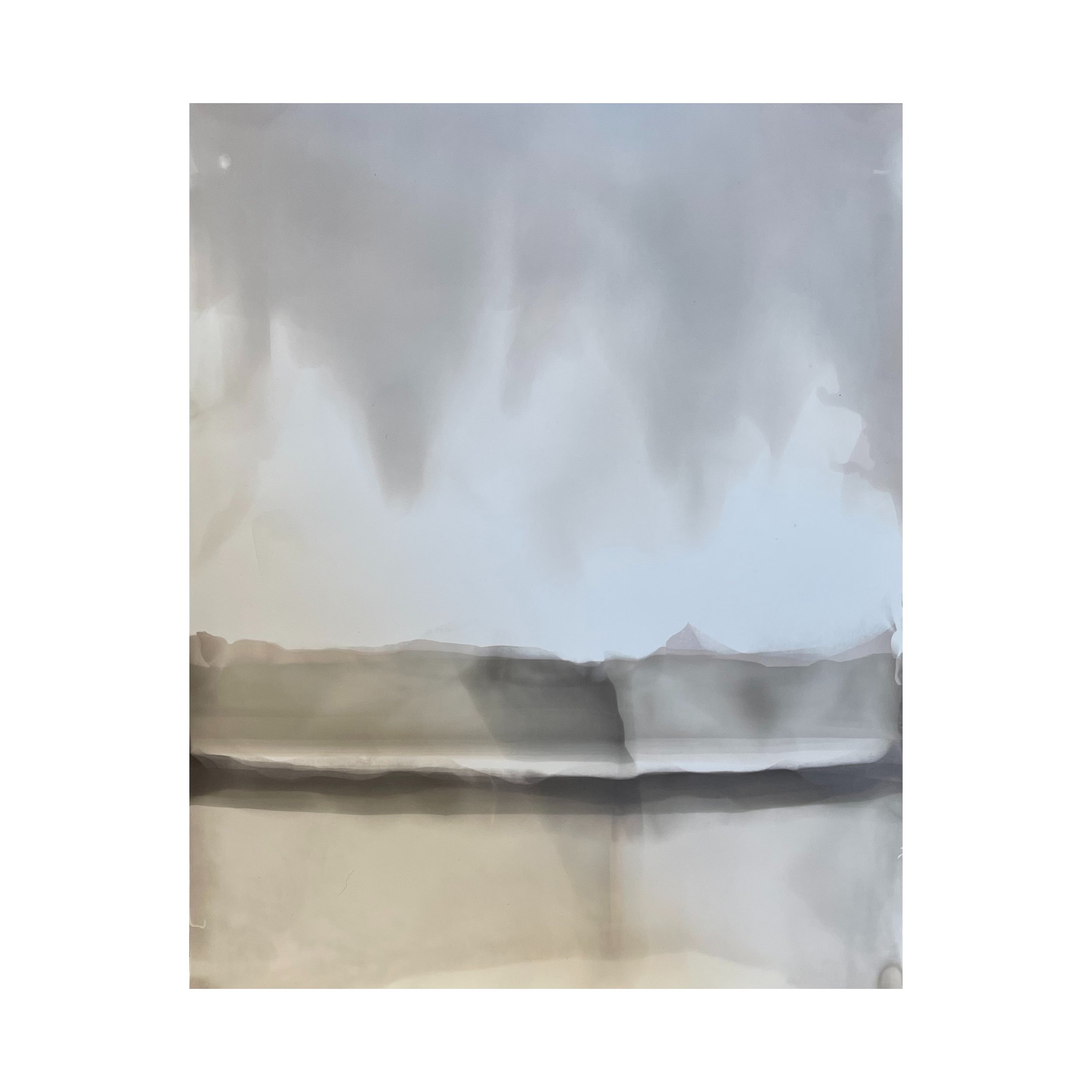
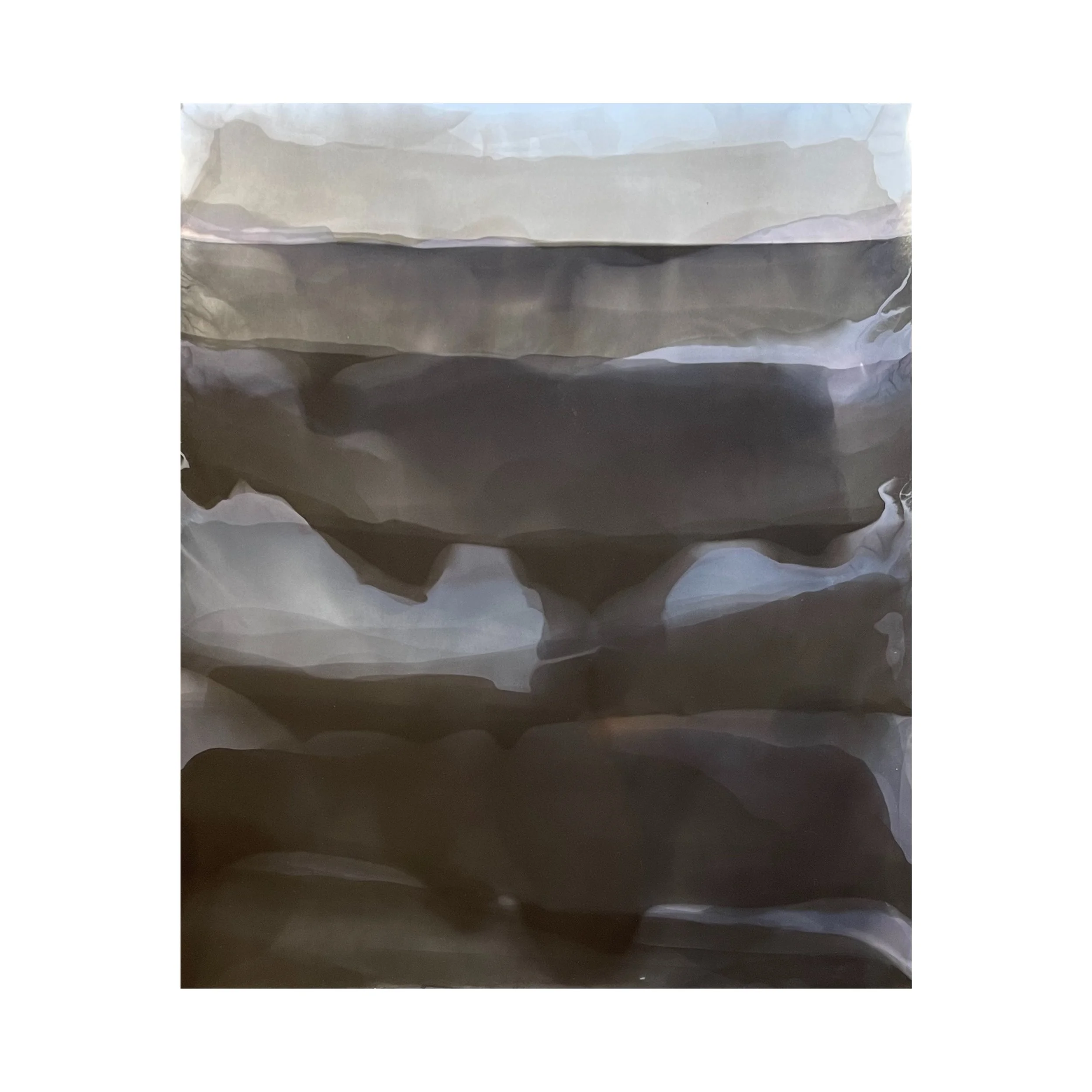
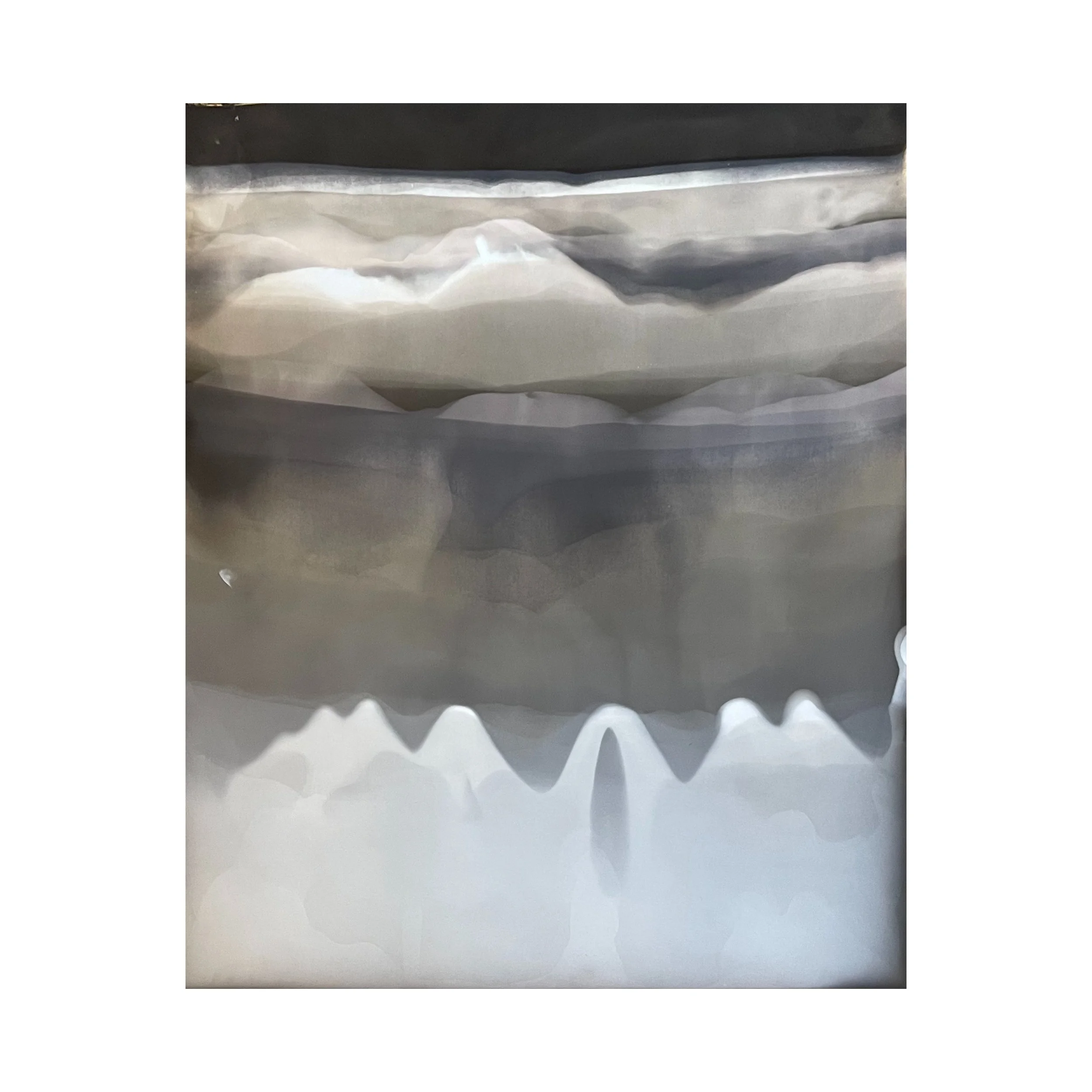
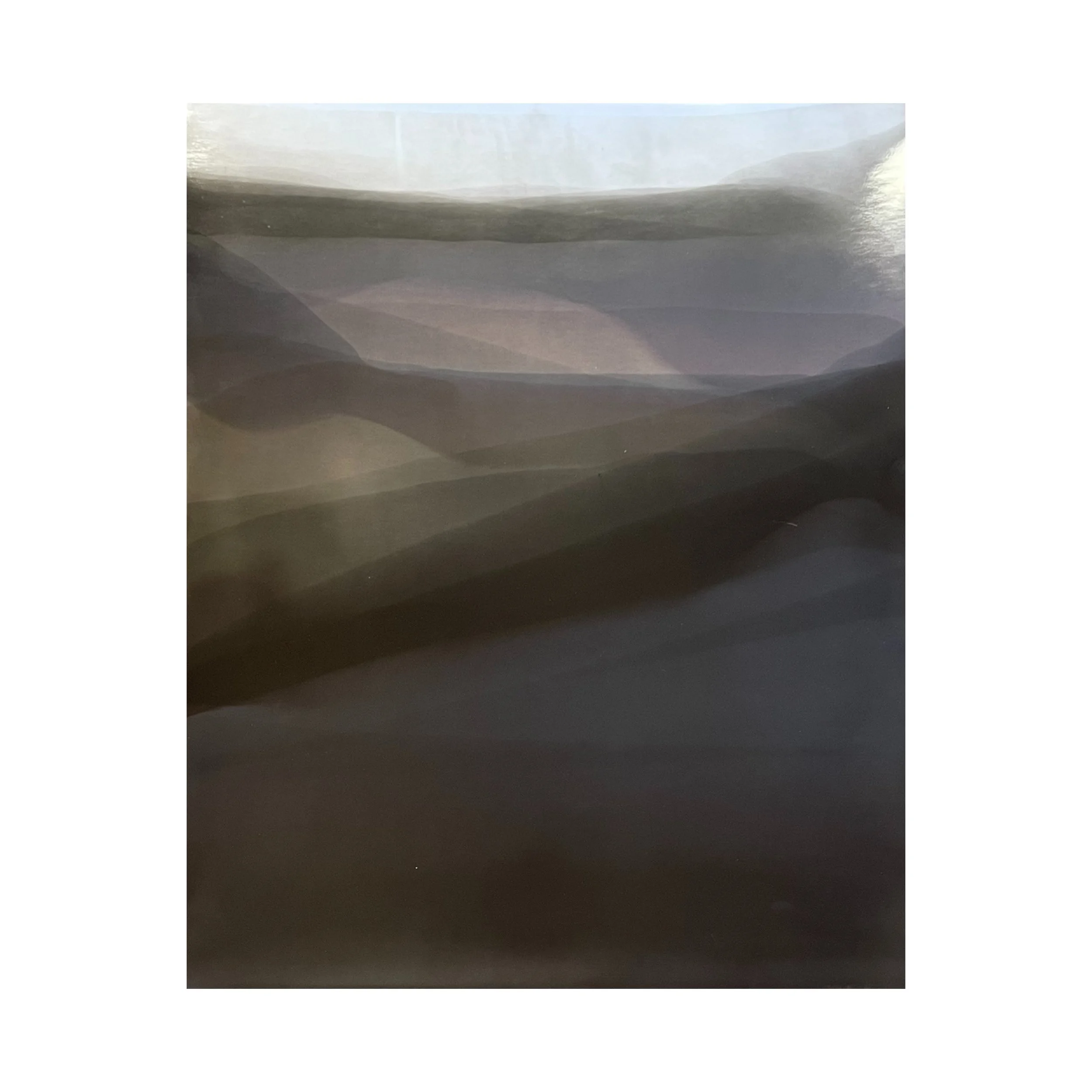
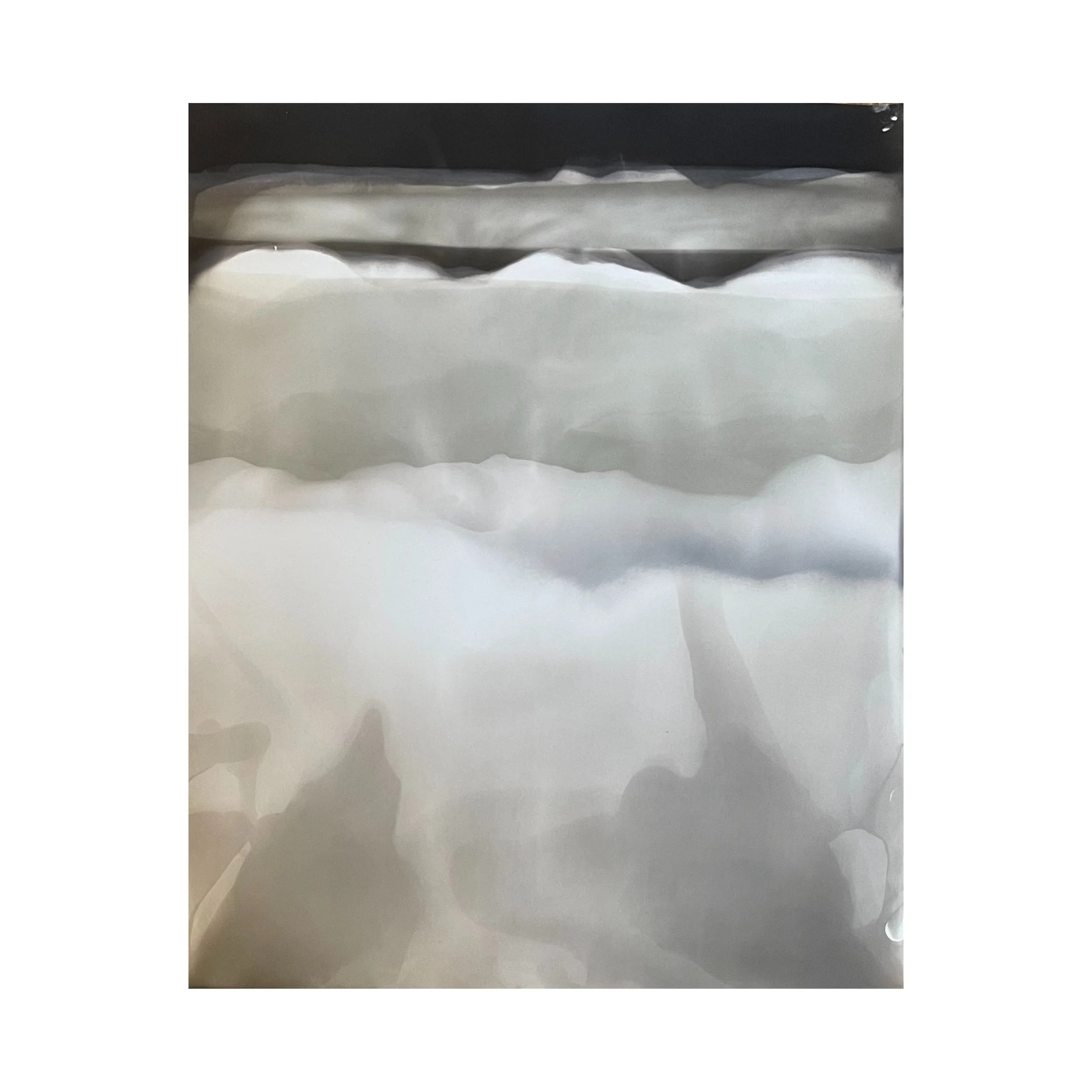
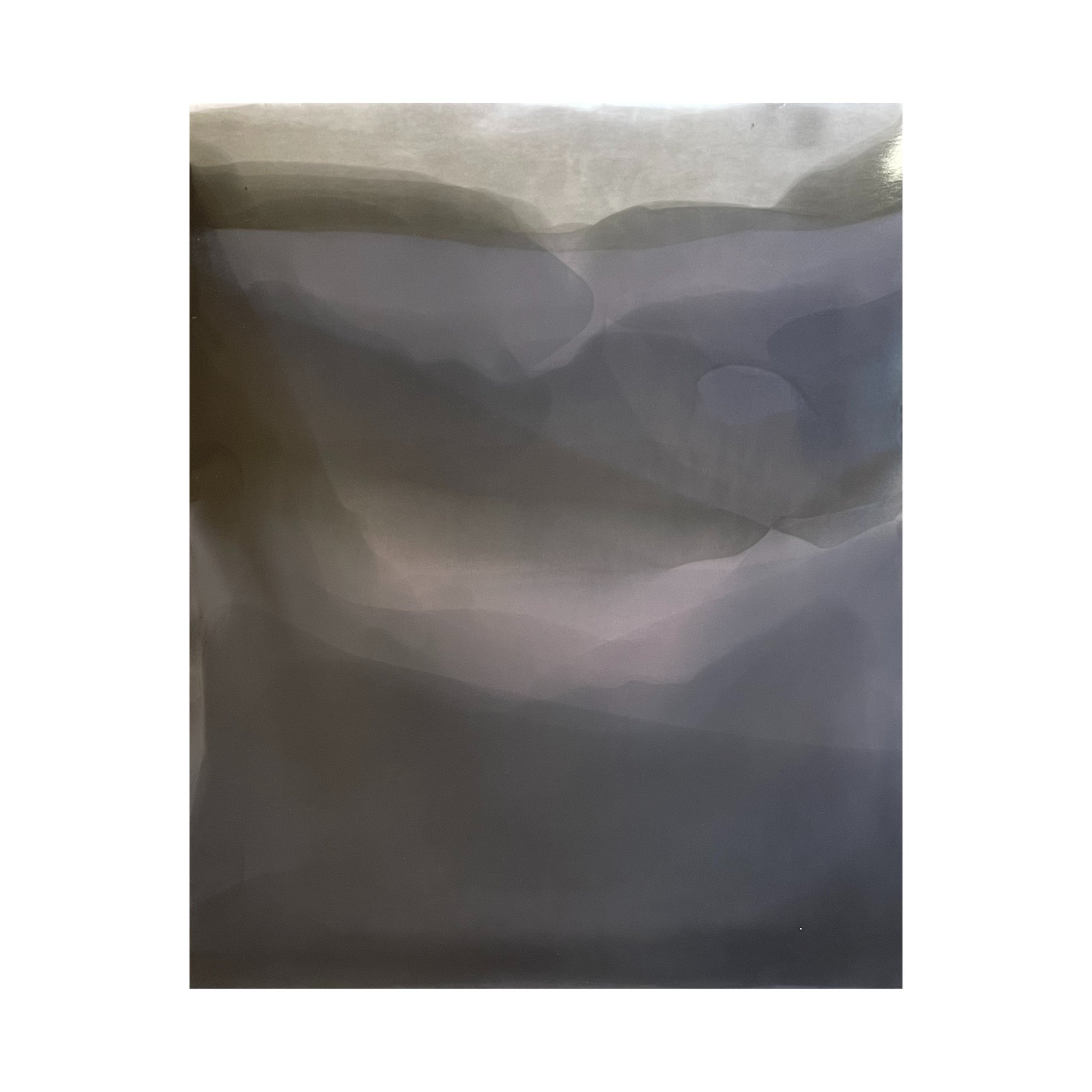
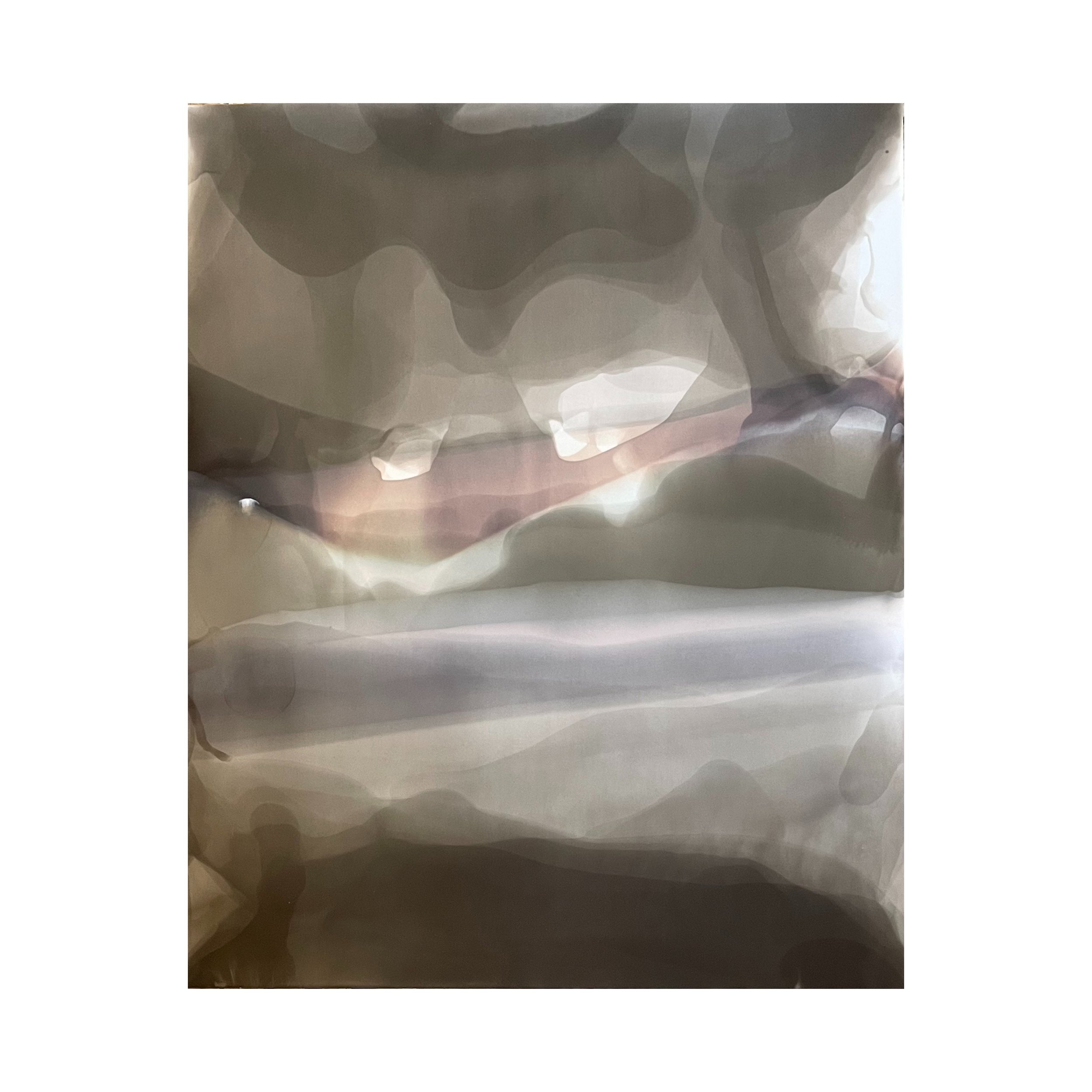
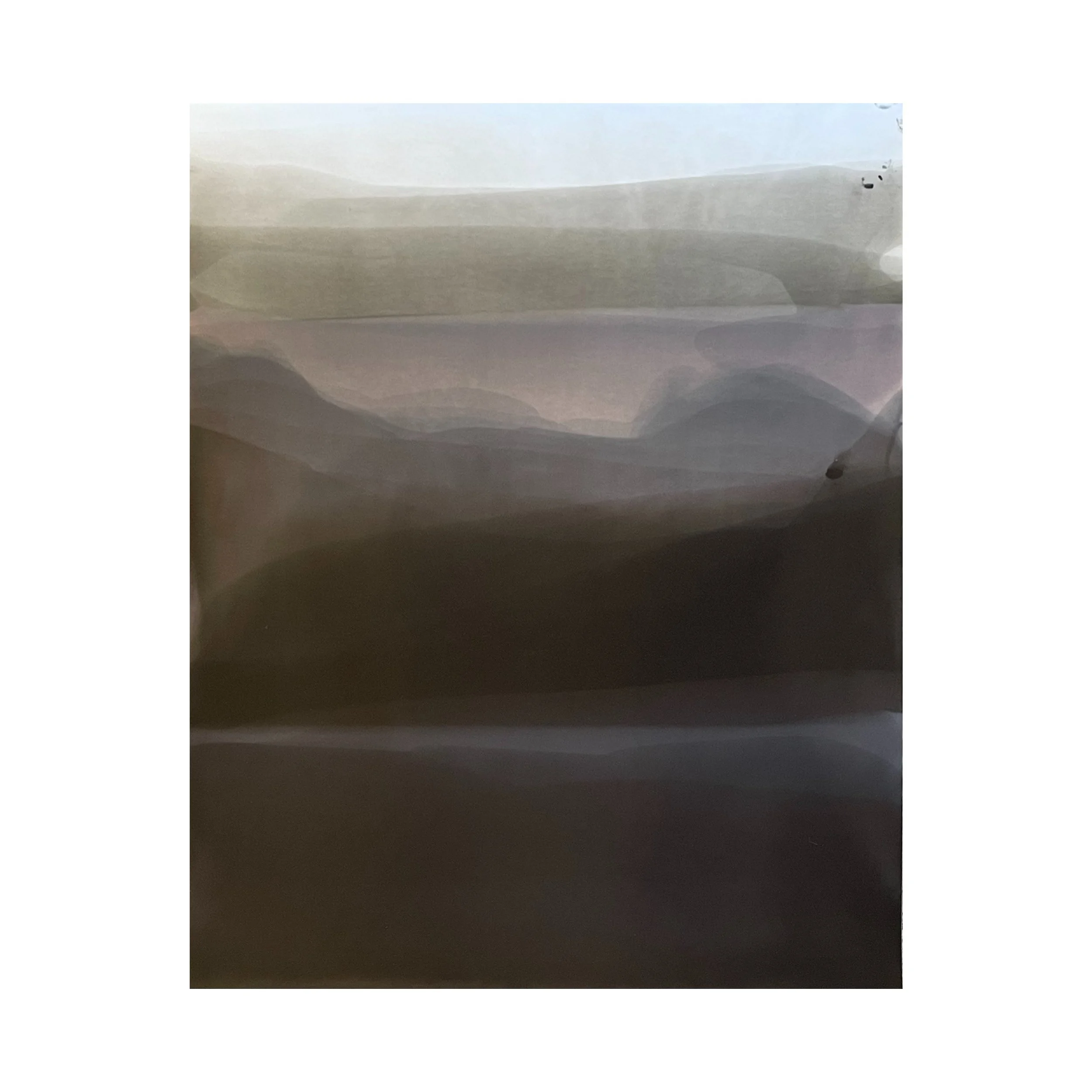
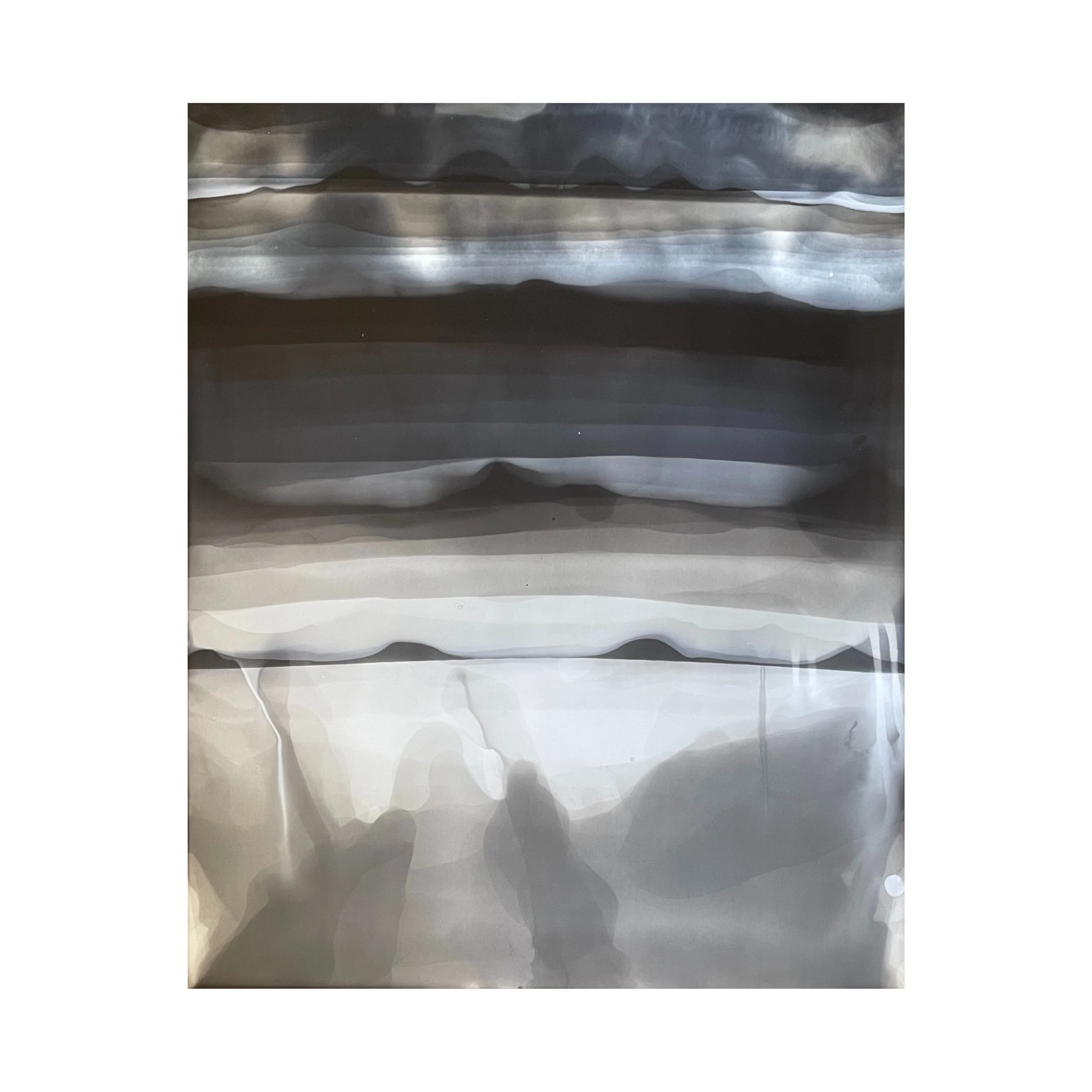
Chemigram: a type of photogram (an alternative photographic print) produced using photo paper, photo developer, water, and photo fixer.
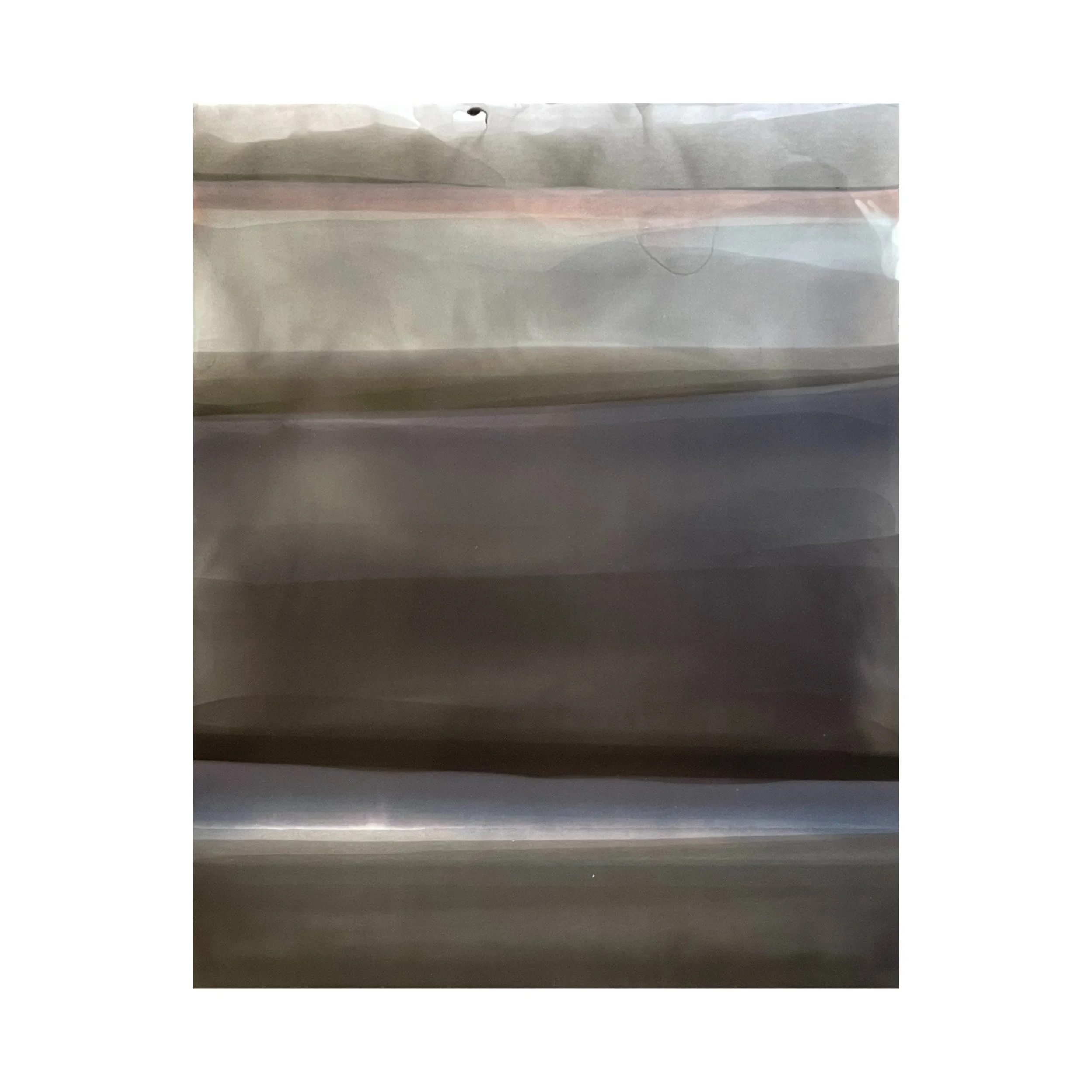
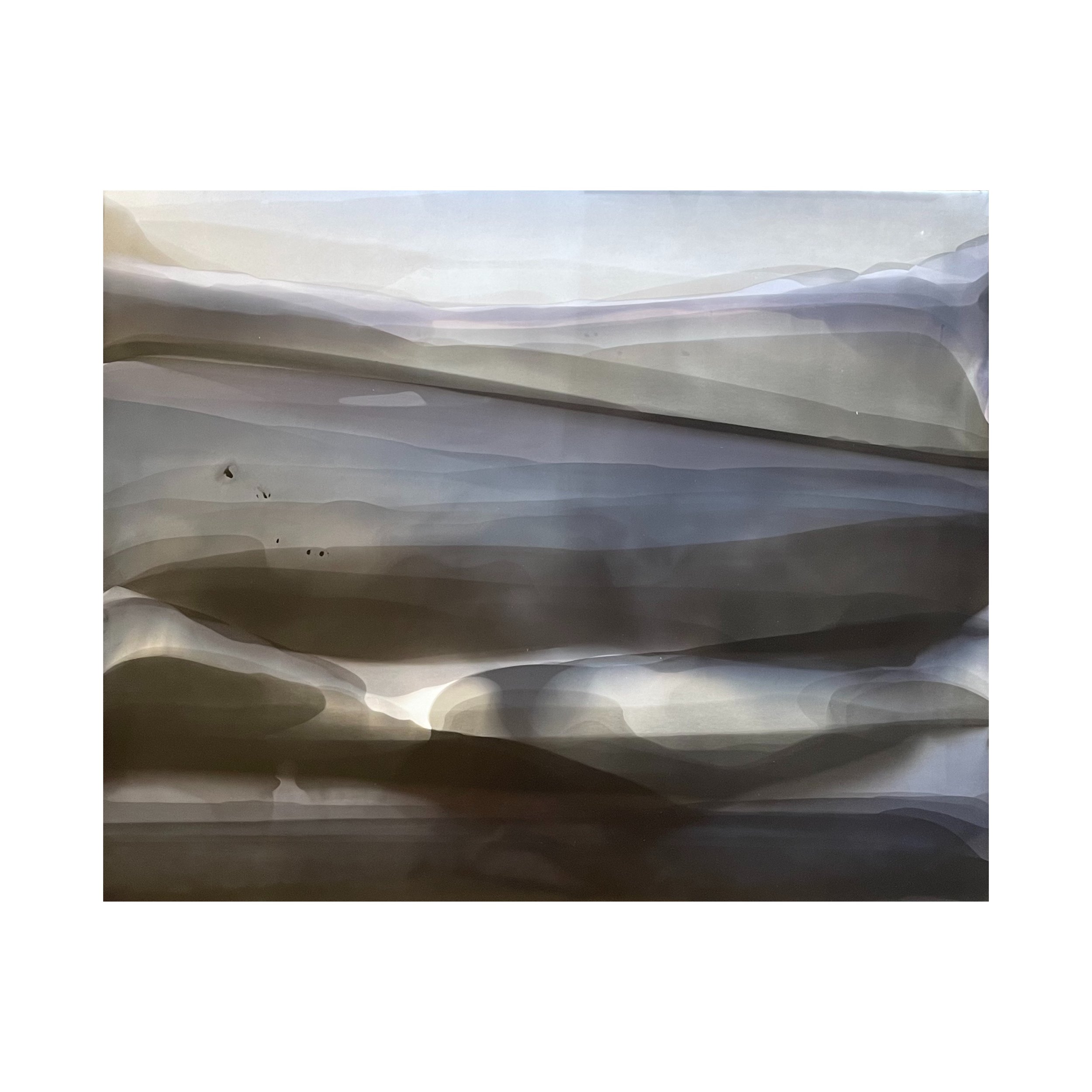
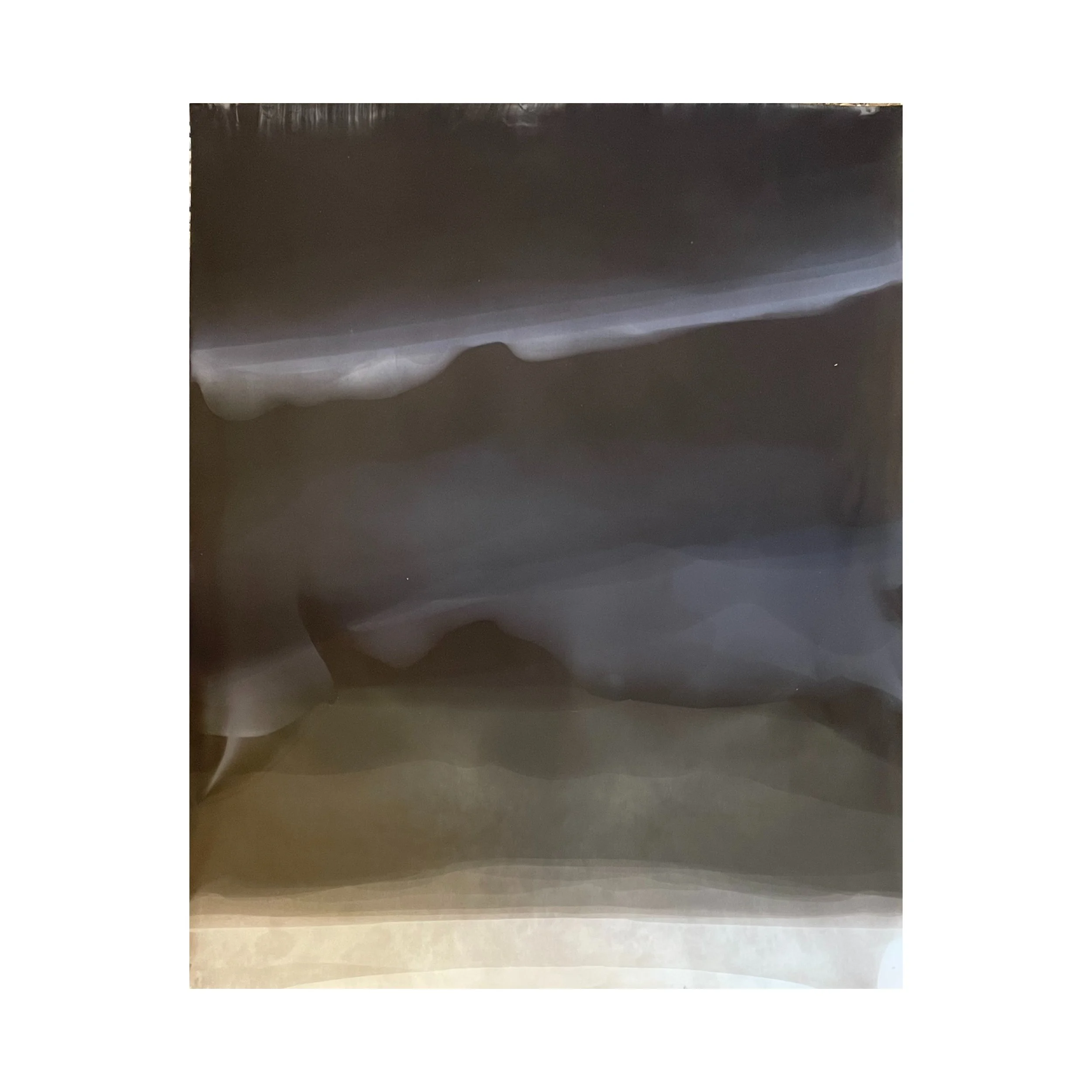
To create a chemigram “landscape” photo paper is dipped into developer solution followed by water (an alternative to photographic stop solution) and fixer (to secure the color and value of the developed layer). This sequence of steps is repeated until the desired look is reached.
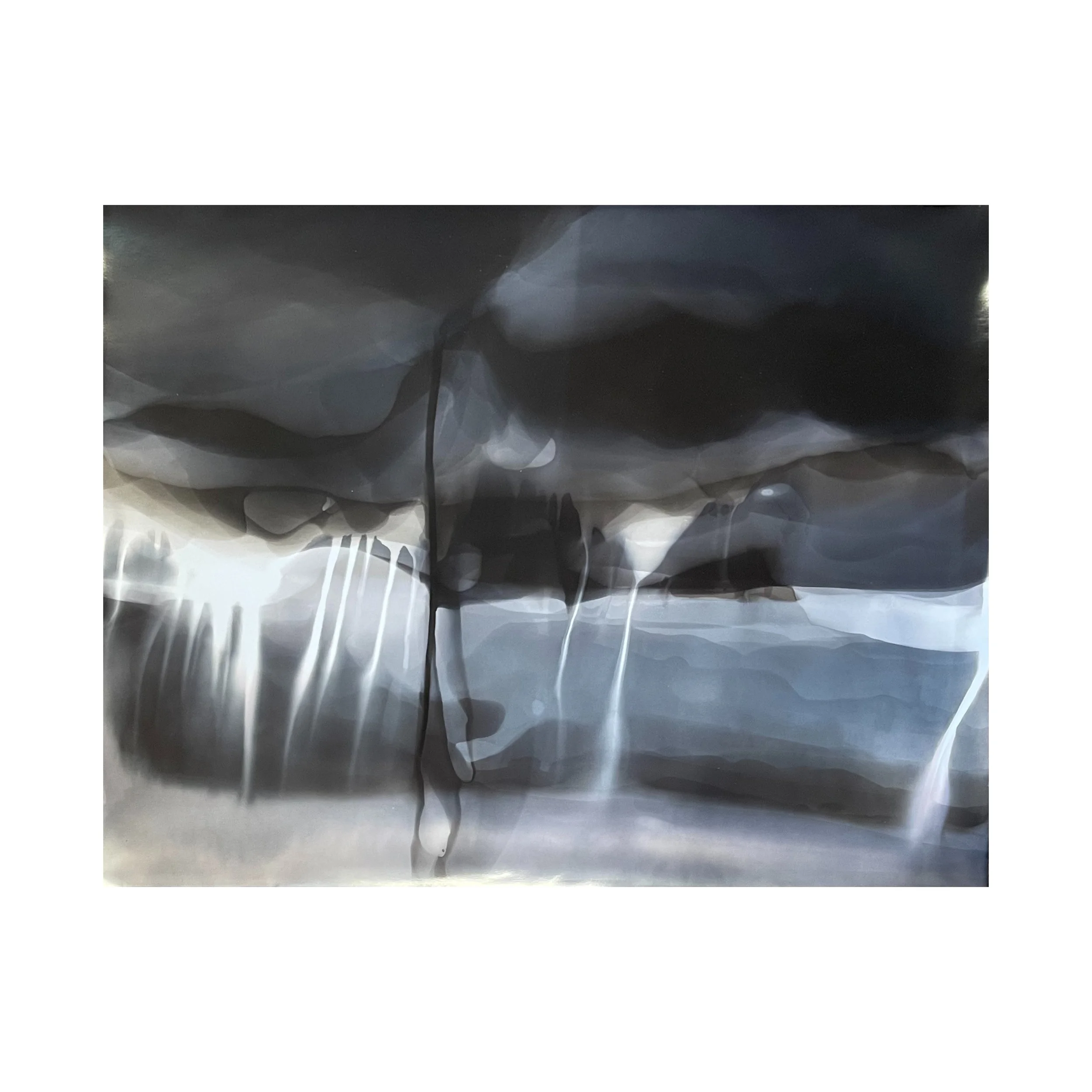
Darker areas of the print indicate the photo paper was dipped in the developer for longer periods of time. Lighter areas of the print indicate the photo paper was dipped in the developer for shorter periods of time, or, none at all if a layer of fixer was applied to the paper before the paper was placed in the developer.
Curves and ‘hills’ in the chemigram are created by waves of developer moving organically over the paper during the dipping process. Straight lines occur when the developer solution and paper are still.
The photo paper used to create the original chemigrams in this catalog is expired Ilford Multigrade Fiber Paper. Because of the stiff curling of the paper, there was less control in the handling and development of the chemigram and thus, more surprise in how a hill or curve would take shape – just like the shaping of a landscape by unpredictable weather patterns in nature.
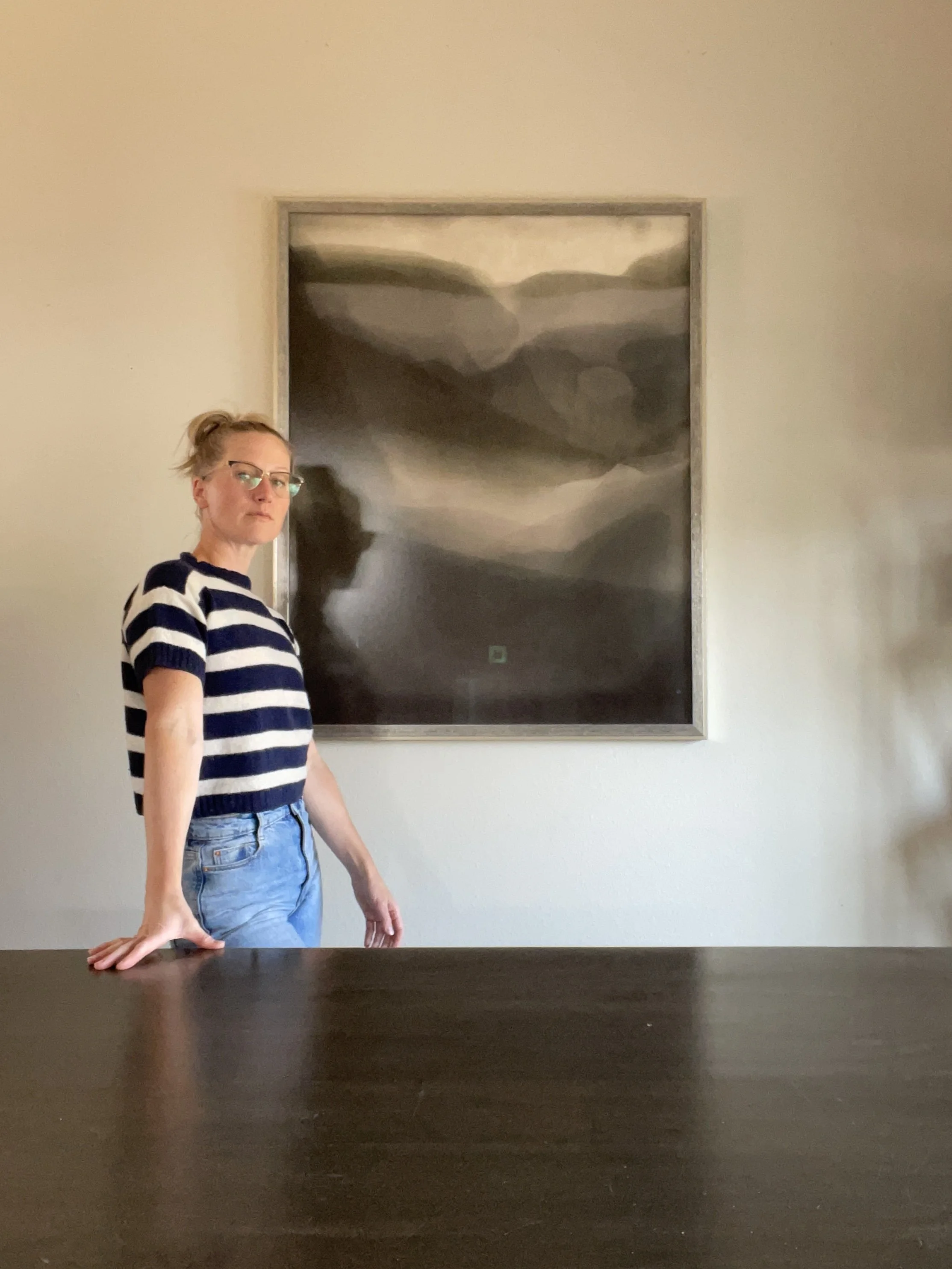
After drying, each chemigram is digitally scanned, cleaned of dust, and printed on a 305gsm Moab Juniper Baryta Rag Paper, similar to the traditional photo paper used to produce the original chemigram.
Landscapes
The chemigrams in this catalog were produced at Anderson Ranch Arts Center in Snowmass, Colorado, during my attendance at the Spring 2022 Photography and New Media Residency.
When making these chemigrams in the darkroom, I was thinking about the landscapes of the western United States in addition to the landscapes of Scotland and the United Kingdom. I have spent much time traveling these landscapes, often solo, in person and through books (specifically on early 20th century cowboys and western painting and British paintings and drawings of the 18th and 19th centuries).
As the chemigrams developed in my hands I was reminded of the open spaces I had been once before: still lakes held by the granite of a mountain range; the misty gorge carved by a snaking river; hills of lava rock blanketed in moss and dotted with grazing sheep; dark storms with clouds of full bellies, and verga that dances.
Sometimes, when dipping the paper rapidly into the developer, I see emulsion dissolve. It spreads a grit over the paper like how sand separates itself at the shoreline when waves wash up and back leaving a tie-dye effect between the lighter and darker grains of beach.
These chemigrams not only resemble natural landscapes, but they are formed in a similar way too: the layering and erosion of its matter.
Large Landscapes
Size
16×20”
Year
2022
Click on each image to view.